What Happens Before the First Coat of Interior Paint
A smooth, even finish is mostly decided by the work nobody sees once the room is done.
October 21, 2026 · 4 min read
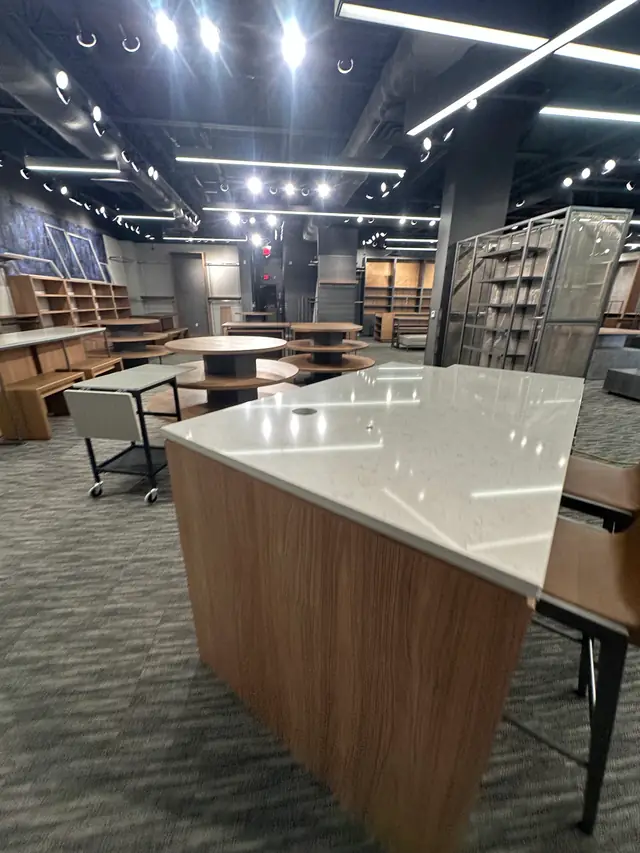
People tend to picture a paint job as the moment the color goes on. Painters know better. The roller is the quick part, and the finish you live with for years is decided long before it, in the hours spent getting the room ready. If you're planning to repaint a home or an office, knowing what good prep looks like helps you compare estimates, ask better questions and spot a rushed job early.
Moving and covering the room
The first step is making space. Furniture gets moved to the center of the room or out of it, wall hangings and switch plates come off, and anything that stays gets covered. Floors are protected with drop cloths or rosin paper, not thin plastic that slides around underfoot. Fixtures, built-ins and nearby doorways are covered too. This sounds basic, but it's the part that decides whether you find paint specks on your hardwood a week later.
In a business, the same step also has a schedule attached. A retail space, an office or a waiting room has to be ready for customers on a set day, so moving and covering are planned around when the space is empty.
Patching and sanding
Walls collect history. Nail holes, anchor marks, scuffs from furniture, small dents near door handles and cracks along corners all show through fresh paint, especially under side lighting. Each one gets filled, left to dry, and sanded flush with the surrounding wall. Skipping this step is the most common reason a new coat looks worse than expected: the color is fresh, but every flaw is now outlined.
Sanding does a second job. Glossy or previously painted surfaces need a lightly roughened face so the new coat grips. Dust from sanding then has to be wiped or vacuumed away, because paint over dust turns gritty.
Masking, cutting in and primer
Clean lines come from masking and a steady hand, not luck. Trim, baseboards, window frames and ceilings are taped where needed, and edges are cut in with a brush before the roller fills the open wall. Primer is the step many people ask about. It isn't always required, but it earns its place in specific situations:
- Bare drywall or fresh patches, which soak up paint unevenly without a sealing coat.
- Stains from water, smoke or marker, which can bleed through a topcoat.
- A big color change, such as covering a dark wall with a light shade.
- Glossy surfaces that need something for the new coat to hold on to.
- Rooms that were scrubbed hard to remove grease or residue before painting.
If a room doesn't fall into any of those groups, one well-applied topcoat sequence may be enough. A good painter will tell you which route fits your walls and explain why.
Choosing sheen by room
Sheen is the finish level, from flat to gloss, and it changes both the look and how the wall wears. Flatter finishes hide small flaws and suit ceilings and low-traffic rooms. Slightly shinier finishes wipe clean more easily, which suits kitchens, bathrooms, hallways and kids' rooms. Trim and doors usually get a harder, shinier finish because they're touched constantly. Humid South Florida bathrooms are a good example of a room where a wipeable finish matters.
It's worth deciding sheen before the job starts instead of on painting day. Samples on the actual wall, checked in morning and evening light, tell you more than a swatch under store lighting.
Keeping the work area clean
A tidy job site isn't a bonus. It affects the result. Paint cans stay closed when not in use, tools are cleaned in a set spot, and trash leaves the room daily instead of piling up in a corner. Dust and drips are wiped as they happen. That habit is also what lets you keep using the rest of your home or business while the work goes on.
The final walk-through
When the last coat is dry, the work isn't over. A walk-through of the completed work, with you in the room, is the moment to check corners, edges, trim lines and ceiling joints in real light. Small touch-ups get done then, while everything's still set up, and you can ask how to care for the new finish. Look for even color without lap marks, clean lines where wall meets trim, and no skipped spots behind doors or above frames.
WGG Services Facility LLC does interior painting for homes and commercial spaces in South Florida and Miami-Dade, from small upgrades to full renovations, with free estimates and no obligation. Call or text (786) 751-8469 and ask what the prep on your walls would involve.
WGG Services Facility LLC, (786) 751-8469
Call (786) 751-8469More articles
When to Pressure Wash Brick Pavers in South Florida
Brick pavers are tough, but the film that builds up on them in a humid climate makes them look tired long before they are.
Exterior Paint Under Florida Sun, Rain and Salt
Exterior paint in South Florida has more to fight than paint almost anywhere, and the prep decides how long it holds.