Exterior Paint Under Florida Sun, Rain and Salt
Exterior paint in South Florida has more to fight than paint almost anywhere, and the prep decides how long it holds.
October 21, 2026 · 4 min read
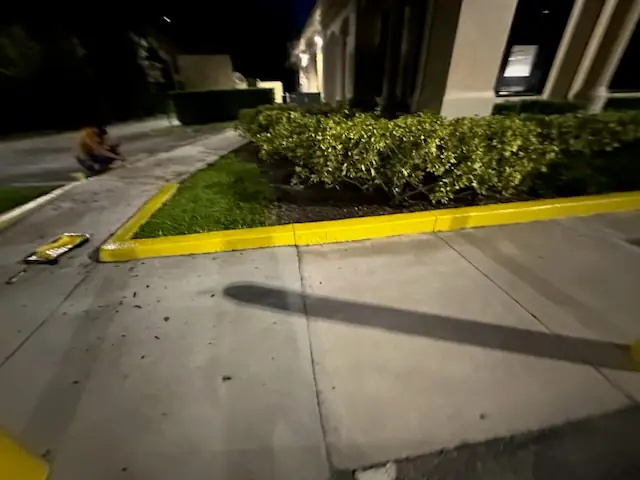
Paint on the outside of a building does a job that interior paint never has to. It sits in direct sun, gets soaked in afternoon storms, stays damp through humid nights and, near the coast, is coated in salty air. If you've noticed your exterior looking faded, chalky or peeling sooner than you expected, the climate is a big part of the reason. Here's what each element does, and what to do about it.
What the Florida climate does to paint
Sunlight is the first culprit. Ultraviolet rays break down the binders that hold color in the paint film, so surfaces fade and eventually turn chalky: rub a hand across the wall and a powdery residue comes off. South- and west-facing walls take the heaviest dose and usually show it first.
Humidity and rain attack from the other side. Moisture works into hairline cracks and gaps around windows, trim and joints. Trapped behind a paint film, it pushes outward, and the paint blisters or peels. Shaded, damp walls also grow mildew, which looks like dark streaks and can be mistaken for dirt. Salt air, where it applies, adds a corrosive film that dulls the finish and can speed up rust on metal rails, gates and fixtures.
Signs it's time to repaint
Exterior paint tends to give you warnings before it fails. Watch for:
- Chalky residue that rubs off on your hand.
- Fading that's uneven, with the sunniest walls looking lighter than shaded ones.
- Hairline cracks, especially around windows, doors and trim.
- Blisters, bubbling or flakes of paint lifting off the surface.
- Dark mildew streaks under eaves and on shaded walls.
- Rust stains or bare metal on rails, gates and fixtures.
Catching these early matters. Repainting before the coating has failed completely is simpler, and often needs less repair work, than waiting until bare surface is exposed.
Surface prep comes before the paint
Exterior prep follows the same logic as interior prep, just tougher. Loose and peeling paint gets scraped back to a sound edge. Mildew is cleaned off, because painting over it only hides it for a short time. The walls are washed to remove dirt, chalk and salt, then left to dry fully before any coating goes on. Cracks and gaps are filled, failed caulk around windows and trim is replaced, and bare spots are primed so the topcoat doesn't absorb unevenly.
Metal gets its own attention: rust is removed or treated before priming, since paint over active rust bubbles up again. It's the part of the job nobody sees afterward, and it's the part that decides how soon the next repaint comes due.
Timing the work around weather
Paint needs the right conditions to cure. Rain, heavy humidity and surface moisture can ruin a fresh coat, and direct midday sun on a hot wall can make paint dry too fast and mark. In South Florida, that usually means watching the forecast, starting early when walls are cool and dry, and stopping when afternoon storms build. Dew on a wall at dawn is worth checking for, too.
A good schedule has some give in it. Rain days get absorbed rather than rushed through, and any wall that's still damp waits until it isn't. A contractor who explains this up front is telling you the project will be done properly, not that it will drag.
Curbs, bollards and ramp edges on commercial lots
Commercial property adds another layer. Curbs, bollards, parking stops and the edges of entrance ramps take sun, tire scuffs, rain and foot traffic every day, and they're also safety markers. Faded yellow curbing at a bank drive-thru or a store entrance does less of its job: drivers and pedestrians read it as a warning. Repainting those edges means cleaning the surface first, since oil, dirt and loose old paint stop new paint from bonding.
Timing matters here too. Curbs and ramp edges are best painted when the area can be coned off and left alone while the paint dries, which often means off-hours or a quiet weekday. A bright, crisp edge also makes a lot look cared for from the street.
Getting a second opinion on your walls
If you're not sure whether your exterior needs a full repaint or targeted repairs, a walk around the property with a painter is the quickest way to find out. Ask what condition the existing coat is in, what prep they'd recommend, and how they plan to work around the weather.
WGG Services Facility LLC handles exterior painting for homes and commercial properties across South Florida and Miami-Dade, with free estimates and no obligation. Call or text (786) 751-8469 and we'll look at what the sun, rain and salt have done to yours.
WGG Services Facility LLC, (786) 751-8469
Call (786) 751-8469More articles
When to Pressure Wash Brick Pavers in South Florida
Brick pavers are tough, but the film that builds up on them in a humid climate makes them look tired long before they are.
What Happens Before the First Coat of Interior Paint
A smooth, even finish is mostly decided by the work nobody sees once the room is done.