Sidewalk and Slab Cracks: Patch or Replace?
Hairline cracks are normal, but a lifted edge or a sunken panel is worth dealing with before someone trips on it.
October 21, 2026 · 3 min read
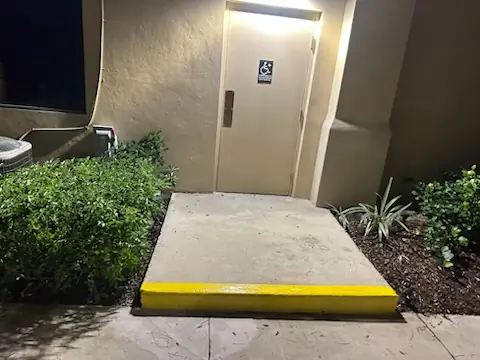
Almost every concrete surface cracks eventually. That alone isn't a reason to panic, and it isn't automatically a reason to rip anything out either. What matters is what kind of crack it is, what's causing it, and whether it's creating a hazard. Here's how to read what you're looking at, and how to decide between a patch and a replacement.
Why concrete cracks
Concrete shrinks slightly as it cures and as temperatures change, and it's not flexible. Control joints, the straight grooves you see cut into sidewalks, exist to give that movement somewhere to go. When they're missing, too far apart or cut too late, the slab finds its own path, and you get a random crack.
Other causes are underneath. In South Florida, heavy rain can wash soil out from under a slab, leaving voids that let the panel sag. Roots from nearby trees push up from below. Heavy vehicles driving over a slab not built for them can break it. Poor drainage that keeps the ground soaked next to a slab does damage over time. Understanding the cause matters, because a repair that ignores it won't last.
Why slabs lift and create trip edges
A crack that stays flat is mostly cosmetic. A crack where one side sits higher than the other is a different story. When a panel lifts or settles, it creates a ridge, and ridges catch toes. Trip edges are a real concern on public walkways, at business entrances and on paths people use in the dark. If you manage a property, they're the ones to prioritize. If you own a home, they're the ones that catch visitors and kids off guard.
Lifting often comes from roots or from soil movement under one side of the crack. Sinking comes from soil washing away. Either way, the surface no longer sits where it was poured, and a surface patch alone may not hold.
When a patch is enough
Patching works when the slab underneath is still sound and the problem is on the surface. Typical candidates include:
- Hairline cracks that are flat, with no height difference across them.
- Small chips or spalled spots where the surface has flaked.
- Narrow cracks that need sealing to keep water from getting in.
- Minor surface wear at a joint or edge.
- Small low spots that can be built up and smoothed.
A proper patch involves cleaning out loose material, preparing the edges so the repair bonds, filling and finishing it level with the surrounding surface. Patching over dirt or crumbling concrete is the quick way to a repair that pops out again.
When replacing a section makes sense
Replacement is the better call when the slab is moving, broken into pieces, or lifted enough to create a hazard that grinding or patching won't fix. Signs include a panel that rocks when you step on it, a crack with clear height difference across it, a surface crumbling across a wide area, or a slab sinking because the ground underneath has gone. Replacing one section, instead of the whole run, is often possible, and it lets the base be corrected before new concrete goes in.
This is also when the cause needs to be dealt with. If roots lifted the panel, or drainage washed out the base, the new section should be set up so the same problem doesn't come back. A contractor should be able to tell you what they found underneath and what they'd do about it.
Curing and getting back on it
New concrete and fresh patches need time before they take weight. Foot traffic and vehicles come back on different timelines, and the right timing depends on the mix, the thickness and the weather. Heat and rain in South Florida change how fast a pour sets, so the person doing the work should tell you when it's safe to walk and when it's safe to drive. In the meantime, the area should be roped off or coned so no one steps in it. Avoid driving or parking near fresh edges, and keep sprinklers pointed away from new work until it has set.
Keeping the surface clean and keeping water moving away from the edges will help any repair last. If you spot a new crack, a lifted edge or a sunken panel later, it's easier to deal with early.
WGG Services Facility LLC does concrete repair and replacement for homes and commercial properties in South Florida and Miami-Dade, and estimates are free with no obligation. Call or text (786) 751-8469 and we'll look at your sidewalk or slab and tell you whether a patch will do.
WGG Services Facility LLC, (786) 751-8469
Call (786) 751-8469More articles
When to Pressure Wash Brick Pavers in South Florida
Brick pavers are tough, but the film that builds up on them in a humid climate makes them look tired long before they are.
What Happens Before the First Coat of Interior Paint
A smooth, even finish is mostly decided by the work nobody sees once the room is done.